Everyone has a Bali fantasy.
The Instagram version: a infinity pool overlooking rice terraces, a laptop open to a Shopify dashboard showing six figures, a smoothie bowl, golden hour light. It’s everywhere and it’s not entirely wrong. Bali is genuinely beautiful, genuinely affordable, and genuinely welcoming to people who want to build a life outside the country they grew up in.
But there’s a version of Bali that doesn’t make it into the content, the one that takes a few months of actually living here to understand. The bureaucratic friction, the infrastructure limitations, the cultural nuances that take real time to learn, the loneliness that can hit harder than expected when the novelty wears off.
I’ve been based in Bali for years now. I run Ecommerce Paradise, my ecommerce stores, and Paradise Skate Mag from here. I met my partner Widi here. I’ve built a real life here, not a vacation that went long. And because of that I think I can give you a more honest picture than most of what you actually find when you come.
Here’s why I chose Bali and what nobody tells you before you move.
Why Bali and Not Somewhere Else
When I first started traveling Southeast Asia I wasn’t committed to any particular destination. I spent time in Thailand, explored different parts of Indonesia, passed through other countries in the region. I was looking for the place that felt right for building a long-term base, not just a place to stay for a few months.
Bali kept pulling me back. Several things made it different from everywhere else I spent serious time.
The first was the infrastructure for remote workers. Bali, particularly areas like Canggu, Seminyak, and Ubud, has developed a genuinely mature ecosystem for people working remotely. Fast coworking spaces, reliable cafes with solid internet, a large community of entrepreneurs and digital nomads who understand what you’re building and why. That community doesn’t exist at the same scale or maturity everywhere in Southeast Asia.
The second was the cost of living relative to quality of life. In Bali I can live extremely well, a comfortable villa, good food, regular travel around the island and the region, for a fraction of what the same lifestyle would cost in Los Angeles. That difference in cost compounds over time. Every dollar I don’t spend on rent or food is a dollar I can reinvest in the business or put into savings.
The third was the culture. Balinese culture is genuinely unlike anywhere else I’ve been. There’s a warmth, a spiritual groundedness, and a rhythm to daily life here that I find genuinely sustaining rather than just interesting. After a decade of building businesses under pressure in Los Angeles, landing somewhere with a different relationship to time and meaning felt like exactly what I needed.
And the fourth was meeting Widi. When someone you love is rooted somewhere, that place becomes home in a way that no amount of lifestyle optimization can manufacture.
The Visa Situation Is More Complicated Than It Looks
This is the first thing nobody tells you clearly before you move to Bali, and it’s one of the most practically important.
Bali is part of Indonesia, and Indonesia’s visa framework for long-term foreign residents has historically been a moving target. For years most digital nomads operated on a combination of tourist visas and visa runs, which worked but was always technically in a gray area. Indonesia has been developing more formal pathways for remote workers and long-term visitors, including a digital nomad visa program, but the details, eligibility requirements, and processing realities change regularly enough that any specific information I give you here could be out of date by the time you read it.
What I can tell you is that navigating Indonesian immigration requires research, patience, and ideally a good local immigration agent who handles these applications regularly. Don’t assume your nationality gives you a simple path. Don’t assume what worked for someone else two years ago still works now. Do your current research from primary sources and talk to people who are actively managing their visa status in Indonesia right now.
Managing finances across currencies while navigating residency has been one of the practical realities of life here. I use Wise for moving money internationally, which gives me access to real exchange rates without the punishing fees traditional banks charge. For health coverage while living internationally I use SafetyWing, which is built specifically for nomads and remote workers and covers you across countries without the complexity of traditional international health insurance.
The Internet Is Good but Not Perfect
For most remote work, including running ecommerce stores, managing ad campaigns, and video calls, the internet in developed areas of Bali is genuinely workable. Canggu, Seminyak, Kuta, and Ubud all have plenty of coworking spaces and cafes with fast, reliable connections.
The caveat is that it’s not consistent everywhere and it’s not always consistent anywhere. Power outages happen, particularly during rainy season. Some neighborhoods have better infrastructure than others. If your work requires consistently high-bandwidth connections, like video production or large file transfers, you’ll want to choose your base within Bali carefully and have backup plans for the days when your primary connection goes down.
I’ve found that having a good mobile data setup as a backup makes a significant difference. Google Fi works reasonably well in Indonesia and gives me a reliable fallback when the villa’s internet is having a bad day. When I’m traveling around the region it also means I’m not scrambling for a local SIM in every country I visit.
The Cost of Living Is Low but Not Zero
Bali has a reputation for being cheap and it is, relative to most Western cities. But cheap is relative and there are some costs that catch people off guard.
Accommodation varies enormously by area and quality. A basic room in a guesthouse costs very little. A proper villa in Canggu or Seminyak with reliable internet, air conditioning, and a private pool is significantly more expensive, though still well below what comparable accommodation would cost in Sydney or San Francisco.
Food is genuinely affordable if you eat local. Warung meals, which are traditional Indonesian eateries, cost almost nothing and are often excellent. The further you move toward Western-style restaurants and cafes catering to expats, the closer you get to Western prices.
The costs that catch people off guard tend to be transportation, which requires renting a scooter or paying for ride services, healthcare beyond what travel insurance covers, visa and immigration costs, and the general lifestyle creep that happens when you’re in a beautiful place with a lot of social opportunities and a community of people spending freely.
Go in with a realistic budget rather than the fantasy version. You’ll have a much better experience.
The Expat Community Is an Asset and a Trap
Bali has one of the most developed expat and digital nomad communities in Southeast Asia. In Canggu especially you’ll find a dense concentration of entrepreneurs, content creators, remote workers, and people building online businesses. Networking opportunities are genuine and the community is generally open and welcoming.
The trap is that it can become its own bubble. It’s entirely possible to live in Bali and spend almost all of your time with other Westerners, eating at Western restaurants, going to events organized by and for expats, and never really engaging with the Balinese culture and community that makes the island what it is.
I think that’s a real loss and also a missed opportunity. Some of the most valuable relationships I’ve built in Bali are with Balinese people, including my partner Widi, whose perspective on life here is completely different from anything I’d encountered in the expat community and has genuinely changed how I see a lot of things.
Engage with the expat community for the professional and social benefits it offers. And put real effort into learning about and connecting with Balinese culture beyond the surface level. Both will make your experience here significantly richer.
The Lifestyle Is Real but It Requires Work to Maintain
One of the things that surprises people who move to Bali expecting the Instagram version is that the lifestyle they imagined doesn’t just happen. It requires the same intentionality and discipline that building a business does.
It’s easy to arrive in Bali full of motivation, spend a few weeks exploring and networking and feeling like everything is coming together, and then slide into a pattern that’s less productive and less intentional than what you had before you moved. The social scene is active. The temptations to optimize for fun rather than output are real. And without the external structure of an office or a commute, self-discipline becomes the only thing keeping your business moving.
The people I know who thrive long-term in Bali are people who built real routines. Morning rituals that protect their most productive hours. Clear boundaries between work time and personal time. Physical practices, whether that’s surfing, yoga, skateboarding, or the gym, that keep them grounded and energized. And real accountability structures, whether through a community like the Ecommerce Paradise Community or a coach or a mastermind group, that keep them honest about their business progress.
The freedom this lifestyle offers is real. So is the discipline required to use it well.
What Bali Has Done for My Businesses
Living in Bali has made me a better entrepreneur in ways I didn’t fully anticipate when I moved here.
The lower cost of living reduced the financial pressure that had always been in the background when I was running businesses in Los Angeles. With lower overhead I could make longer-term decisions, invest in things that wouldn’t pay off immediately, and take the time to build things properly rather than feeling like I needed quick returns to cover expenses.
The time zone, which is ahead of most of my US-based customers and students, has actually worked well for my workflow. I get my deep work done in the Bali morning, which is overnight in the US, so my inbox and notifications are quiet during my most productive hours. By the time the US wakes up I’ve already done my best work for the day.
The physical environment, the warmth, the greenery, the slower pace of life outside the tourist areas, has had a genuine effect on my creativity and energy. I’m not making this up to sell the Bali dream. I’m more consistently creative and less chronically stressed here than I was in Los Angeles, and that shows up in the quality of my work.
And Widi, whose perspective on business, relationships, and life is shaped by a completely different cultural background, has made me think differently about a lot of things I had taken for granted. That kind of influence is hard to quantify but it’s real.
The Practical Setup That Makes It Work
For anyone seriously considering making Bali their base, here is the practical infrastructure I’d recommend having in place before you arrive.
Sort out your visa pathway properly before you land, not after. Get current information from people actively managing their status in Indonesia, not blog posts from two years ago.
Have your financial infrastructure set up for international living. Wise for currency conversion and international transfers. A home country bank account that doesn’t charge foreign transaction fees for ATM withdrawals. A clear picture of your tax obligations as a foreign-earning expat, which varies significantly depending on your home country and how long you plan to stay.
Have health coverage sorted before you arrive. SafetyWing is what I use and recommend for nomads and remote workers because it’s designed specifically for this lifestyle and covers you across borders without the complexity of traditional international health policies.
Have a business that can actually run remotely before you move. This sounds obvious but it’s worth saying. Moving to Bali to figure out your business model is a recipe for financial stress in an expensive-for-the-wrong-reasons environment. Move to Bali because your business is working and you want to optimize your lifestyle around it. I cover the full framework for building a location-independent ecommerce business in the Ecommerce Paradise masterclass, and the free beginner’s guide is the right starting point if you’re still building toward that.
Would I Choose Bali Again
Without hesitation.
Not because it’s perfect. It isn’t. The visa complexity is real. The infrastructure has limitations. The cultural adjustment takes longer than most people expect. Some days the traffic in Canggu is genuinely maddening.
But the life I’ve built here, the businesses, the relationship with Widi, the community, the creative environment, the physical freedom of living somewhere warm and beautiful where I can skate, explore, and work on things I actually care about, is better than any version of my life I could have built staying in Los Angeles.
The key is going in with accurate expectations rather than the fantasy. Bali will give you a lot. It will also ask a lot of you in return. The people who thrive here long-term are the ones who came prepared for both.
Trevor Fenner is the founder of Ecommerce Paradise, an education and services platform for high-ticket dropshipping entrepreneurs. He has been building location-independent ecommerce businesses since 2013 and currently lives in Bali, Indonesia with his partner Widi.
About Trevor Fenner
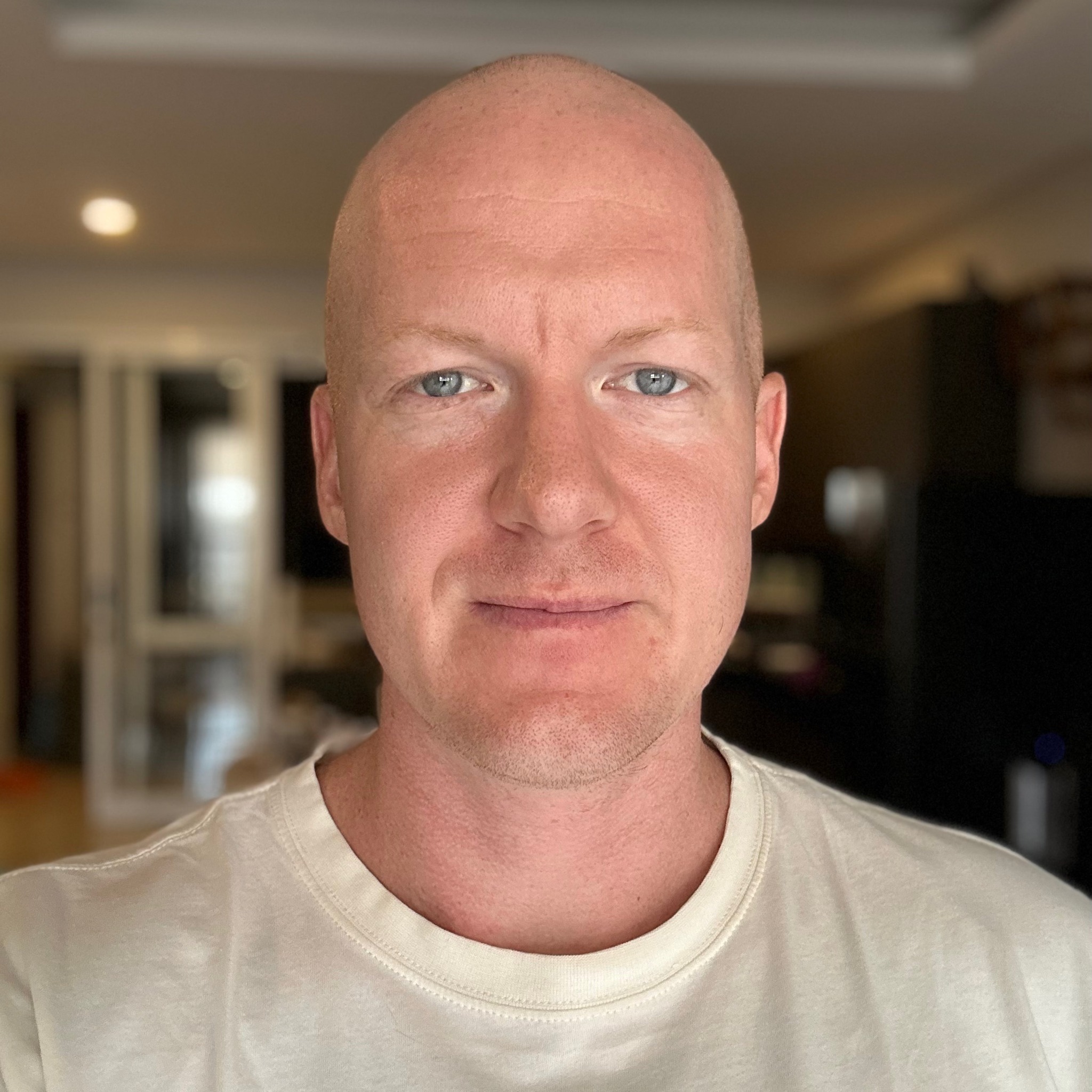
Founder of Ecommerce Paradise and publisher of Paradise Skate Mag. I’ve been building location-independent ecommerce businesses since 2013 — and living the life they pay for in Bali, Indonesia with my wife Widi.
Want to Build Your Own Location-Independent Business?
Get unstuck with a private 1-on-1 consulting call — or keep reading the honest lessons I’ve picked up building businesses from Bali.
Trevor Fenner is a Seattle-born entrepreneur, skateboarder, and expat who left Los Angeles in 2016 to build a location-independent life in Southeast Asia. After living in Chiang Mai and Bangkok, he settled in Bali in 2019, where he has been based ever since. He is the founder of Ecommerce Paradise, an education and services platform helping entrepreneurs build high-ticket dropshipping businesses, and operates Electric Bikes Paradise, an ecommerce store specializing in electric bikes, scooters, and mobility equipment. He also runs Paradise Skate Mag, a skate media project documenting the Bali skate scene and broader skate culture, and is building Bali Cat Paradise, a blog centered on the nearly twenty cats he and his wife care for at their home in Bali. Trevor writes about ecommerce and entrepreneurship, expat life in Southeast Asia, and the lessons skateboarding has taught him about business and life.