I’ve tried a lot of ways to make money online.
eBay arbitrage, Amazon FBA, low-ticket dropshipping, an MLM, affiliate marketing, content monetization. I didn’t just read about these models, I actually ran them, lost money on some, made money on others, and eventually landed on one that I’ve built my entire business life around for over a decade: high-ticket dropshipping.
This isn’t a post about why every other model is worthless. Some of them work well for the right person in the right situation. This is about why high-ticket dropshipping was the right model for me, and why I think it’s the right model for a lot of people who are serious about building a real, sustainable, location-independent business.
What I Was Looking For in a Business Model
Before I get into the comparison, it helps to understand what I was actually trying to build. I wasn’t looking for a side hustle. I wasn’t trying to make an extra $500 a month. I wanted to replace my income, quit my job, and eventually build something I could run from anywhere in the world.
That meant the model had to clear a few bars:
It had to have real margins. Not 5% or 10%, but margins that made the effort worth it and gave me room to invest in advertising without immediately losing money.
It had to be scalable without requiring me to hire a warehouse team or manage physical inventory. I didn’t want to trade one job for another.
It had to be something I could run remotely. A business that required me to be physically present somewhere specific defeated the whole purpose.
And it had to be a real business, not a gimmick or an arbitrage play that depended on a loophole closing or a platform changing its rules overnight.
High-ticket dropshipping checked every one of those boxes. Most other models I tried didn’t.
Why I Walked Away from Low-Ticket Dropshipping
The first ecommerce model most people encounter is low-ticket dropshipping. Find a cheap product on AliExpress, mark it up 2x or 3x, run Facebook ads, repeat. It sounds simple. It isn’t.
The problems with low-ticket dropshipping are structural. Margins are thin, typically 10% to 30% on products that sell for $20 to $50. That means you need enormous volume to build any real income. To get that volume you need to spend heavily on advertising, which eats into margins that were already thin. Then factor in returns, chargebacks, customer service load, and the constant need to find new winning products as trends shift, and you have a business that runs hot and burns out fast.
I ran a version of this model in my early ecommerce days and the math never worked the way I needed it to. I was making sales but not building anything. Every month felt like starting over.
High-ticket dropshipping solves the margin problem at the root. When you’re selling products priced at $1,000, $2,000, or $5,000, a 20% to 30% margin means $200 to $1,500 per sale. One sale per day at that level is a serious business. The volume pressure disappears, and with it most of the frantic energy that makes low-ticket dropshipping so exhausting.
Why Amazon FBA Didn’t Work for Me
Amazon FBA is a legitimate business model and a lot of people do well with it. I’m not dismissing it. But it wasn’t right for me, and here’s why.
First, the capital requirements. To launch a private label product on Amazon properly, you’re looking at $5,000 to $20,000 or more upfront for inventory, packaging, photography, and launch advertising. I didn’t have that kind of capital sitting around when I was starting out, and even if I had, I wasn’t comfortable concentrating that much risk into a single product that might or might not work.
Second, the platform dependency. Amazon controls everything: your listing, your customer relationship, your ability to sell. I’ve watched sellers get suspended overnight with no warning and no recourse. Building a business entirely on someone else’s platform, with no direct relationship with your customers, felt like building a house on rented land.
Third, the inventory risk. Even with FBA handling fulfillment, you’re still buying and holding inventory. If a product doesn’t sell or gets stranded in a warehouse, you eat the cost. That’s not the kind of exposure I wanted.
High-ticket dropshipping requires minimal upfront capital because you never purchase inventory until a customer places an order. Your supplier ships directly to the customer. Your risk is a well-built website and your advertising spend, both of which you control completely.
Why I Didn’t Pursue Affiliate Marketing Full Time
I do use affiliate marketing as part of my overall strategy, including through this site, and it generates real revenue. But as a standalone business model it wasn’t the right foundation for what I was building.
The core issue with affiliate marketing is that you don’t control the offer. If a company changes its commission structure, discontinues its affiliate program, or shuts down entirely, your income stream can disappear overnight. I’ve seen this happen to bloggers and content creators who built entire businesses around a single affiliate relationship.
Affiliate income also tends to be lower per transaction than ecommerce income. You’re earning a percentage of someone else’s sale rather than the full margin on your own sale. To build serious income purely from affiliate commissions usually requires either massive traffic or a very high-ticket offer, both of which take years to build.
That said, affiliate marketing works beautifully as a complement to a high-ticket dropshipping business. I use affiliate links throughout Ecommerce Paradise to recommend tools I actually use, including software, hosting, and business services. But my primary income engine has always been ecommerce, not content monetization.
Why I Quit the MLM After a Few Months
I’ll keep this one short. After my first ecommerce business went through a rough patch, I tried selling cash value life insurance through an MLM structure. The product itself was legitimate. The business model was not right for me.
The recruitment focus, the pressure to build a downline, the commission structure that rewarded bringing in new sellers more than actually selling the product: none of it sat well with me. I quit within a few months and never looked back. Some people do very well in that world. I wasn’t one of them.
What Makes High-Ticket Dropshipping Different
The model I’ve built everything around works like this: you build a niche ecommerce store on Shopify, focused on a specific category of premium products. You establish relationships with established brands and wholesalers who agree to drop ship their products directly to your customers. When someone places an order on your store, you purchase it from the supplier at wholesale and they ship it directly. You keep the margin.
There’s no inventory. No warehouse. No fulfillment staff. No upfront product purchase. Your investment goes into building the store, establishing supplier relationships, and driving qualified traffic through Google Ads and SEO.
The margins on high-ticket products are what make this model genuinely viable as a full-time business. I’ve written a detailed breakdown of the best high-ticket niches based on years of testing across different categories, and the common thread in the best ones is a combination of high average order value, established brand suppliers willing to work with online retailers, and customers who research before they buy rather than making impulse purchases.
That last point matters more than most people realize. High-ticket buyers are deliberate. They read reviews, compare options, and make considered decisions. That means your store needs to be genuinely helpful and trustworthy, not just flashy. But it also means your conversion rate doesn’t need to be high. Even a 0.5% conversion rate on $2,000 products with $400 margins builds a real business quickly.
The Supplier Relationship Is the Real Moat
One thing that separates high-ticket dropshipping from most other online business models is that your supplier relationships become a genuine competitive advantage over time.
Getting approved by established brands to carry their products isn’t automatic. It takes a professional website, a real business entity, and sometimes a track record. Once you’re approved and you’ve proven you can drive sales and handle customer communication well, those relationships become harder for competitors to replicate. You’re not just selling a product, you’re an authorized retailer for brands that have real reputations to protect.
This is the complete opposite of the low-ticket dropshipping model, where anyone can list the same AliExpress product tomorrow and undercut you by a dollar. My complete guide on how to find and vet the best suppliers for high-ticket dropshipping covers exactly how to approach this process, what suppliers are looking for, and how to build relationships that hold up over time.
The Business Infrastructure That Makes It Work
Running a high-ticket dropshipping business properly means treating it like a real company from day one. That means registering your business correctly, which I recommend doing through Bizee because it’s fast, affordable, and gets the structure right without requiring a lawyer. It means keeping clean financials, which I handle through FreshBooks to track revenue, expenses, and profitability across stores. And it means having a professional business presence, including a dedicated email domain through Google Workspace.
I put together a complete checklist for the legal and financial foundation of a high-ticket dropshipping business because this is the piece most people skip and then regret later. Getting it right early is much cheaper than fixing it after the fact.
According to a 2024 report from the U.S. Small Business Administration, the majority of new small businesses that fail within their first five years cite financial mismanagement and inadequate business structure as contributing factors. Starting with the right foundation isn’t glamorous but it’s foundational.
Why This Model Works for Location Independence
I’m writing this from Bali. I run Ecommerce Paradise, Paradise Skate Mag, and one of my ecommerce stores from the same laptop I travel with. None of these businesses require me to be anywhere specific.
That’s a feature of high-ticket dropshipping that I don’t think gets enough attention. Because you’re not managing inventory or a warehouse team, there’s no physical anchor. Your store runs on Shopify. Your ads run on Google. Your supplier ships the orders. Your customer service can be handled remotely or delegated to a VA. The whole operation is location-independent by design.
For managing international finances as a digital nomad, Wise has been essential. Moving money between currencies without getting destroyed on exchange rates matters when you’re earning in dollars and living in Southeast Asia.
According to a report from McKinsey on the future of remote work, location-independent work is not a temporary trend but a structural shift in how businesses operate globally. The infrastructure to run an ecommerce business from anywhere has never been more mature or more accessible.
What I Tell People Who Are Comparing Models
When someone comes to me trying to decide between models, I ask them a few questions. How much capital do they have to start? How much time do they have per week? Are they trying to build a side income or replace their full-time income? Do they want to be tied to a platform or do they want to own their customer relationship?
The answers almost always point toward high-ticket dropshipping for people who are serious about building something real. It’s not the fastest model to get started with. Setting up a professional store, getting supplier approvals, and learning Google Ads takes real effort. But it’s one of the few models where the work you put in compounds into something genuinely valuable rather than just generating activity.
If you’re ready to dig into the model seriously, the free beginner’s guide at Ecommerce Paradise is the right starting point. If you already have some context and want to go deeper, the masterclass covers the full system I use to build and scale stores. And if you want to talk through your specific situation, one-on-one coaching is available for people who want a more direct path.
The Bottom Line
I chose high-ticket dropshipping because it was the only model I found that had the margins, the scalability, the low overhead, and the location independence I was looking for all at once. Every other model I tried asked me to trade one of those things for another.
After more than a decade of building stores, teaching the model, and watching students use it to build real businesses, I’m more convinced than ever that it’s one of the best opportunities available to someone who wants to build a serious online business without a massive upfront investment or a physical anchor.
The model works. The question is whether you’re willing to do the work to build it properly.
Trevor Fenner is the founder of Ecommerce Paradise, an education and services platform for high-ticket dropshipping entrepreneurs. He has been building location-independent ecommerce businesses since 2013 and currently lives in Bali, Indonesia.
About Trevor Fenner
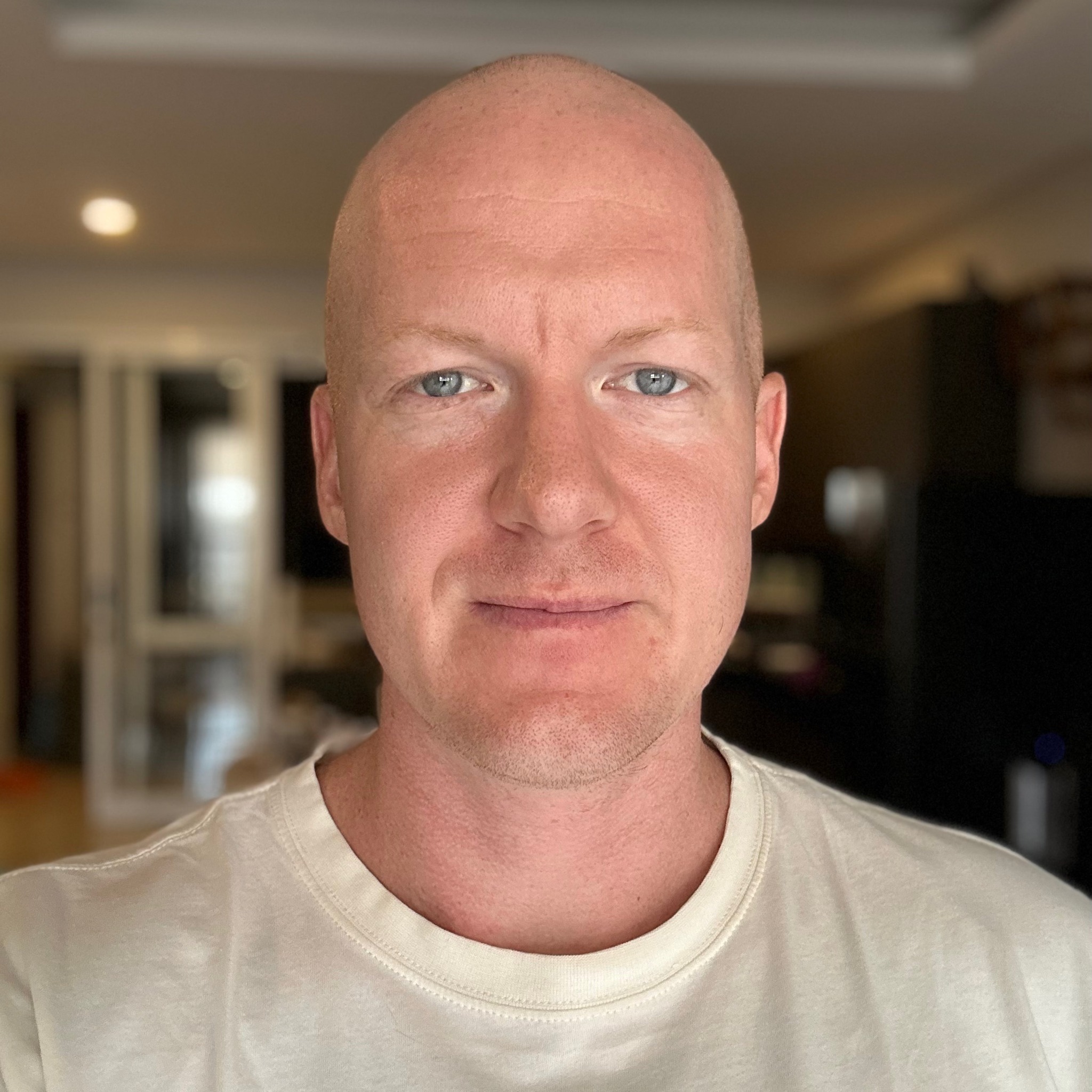
Founder of Ecommerce Paradise and publisher of Paradise Skate Mag. I’ve been building location-independent ecommerce businesses since 2013 — and living the life they pay for in Bali, Indonesia with my wife Widi.
Want to Build Your Own Location-Independent Business?
Get unstuck with a private 1-on-1 consulting call — or keep reading the honest lessons I’ve picked up building businesses from Bali.
Trevor Fenner is a Seattle-born entrepreneur, skateboarder, and expat who left Los Angeles in 2016 to build a location-independent life in Southeast Asia. After living in Chiang Mai and Bangkok, he settled in Bali in 2019, where he has been based ever since. He is the founder of Ecommerce Paradise, an education and services platform helping entrepreneurs build high-ticket dropshipping businesses, and operates Electric Bikes Paradise, an ecommerce store specializing in electric bikes, scooters, and mobility equipment. He also runs Paradise Skate Mag, a skate media project documenting the Bali skate scene and broader skate culture, and is building Bali Cat Paradise, a blog centered on the nearly twenty cats he and his wife care for at their home in Bali. Trevor writes about ecommerce and entrepreneurship, expat life in Southeast Asia, and the lessons skateboarding has taught him about business and life.