

The best money transfer apps fit the payment you need to make. I would compare the permitted account use, final amount received and recipient method before choosing from a fee headline. A low visible charge means little when the wrong payment arrangement creates a problem.
Write down the sending country, destination, currency and purpose. Paying a supplier invoice differs from sending a personal remittance. Bank deposit and cash collection also serve different recipient needs.
At Ecommerce Paradise, I put the operating requirements before the tool. An international business needs a payment process connected to its invoices and approved recipients. Opening another financial account is not a substitute for defining the work.
This comparison covers Wise, Remitly, Western Union and Airwallex using public provider sources reviewed October 14, 2026. The retained images show dated provider information. No financial accounts were opened, recipient details entered or transfers performed.
Affiliate disclosure: I receive compensation or referral rewards for qualifying activity through documented links, subject to program approval and terms. I own Ecommerce Paradise and Supplier Paradise. Remitly and Western Union remain unlinked comparisons because their current catalog entries lack verified affiliate attribution.
Compare the payment arrangement
| Provider | Use to investigate | Cost to review | Requirement |
|---|---|---|---|
| Wise | A supported international route | Variable fee and final currency quote | Country, currency and funding eligibility |
| Remitly | Personal remittance or separate business payments | Fee, exchange rate and payout arrangement | The correct permitted account type |
| Western Union | A supported recipient method, including eligible cash pickup | Transfer fee and currency-exchange cost | Destination and collection requirements |
| Airwallex | Eligible business payment administration | Plan charges, FX and selected transfer fees | Business entity and supported country |
This shortlist compares different payment arrangements, not measured delivery speed. Set the payment purpose and recipient method before choosing a provider. The final quote and applicable account terms remain the decision evidence.
Wise for a supported international transfer route
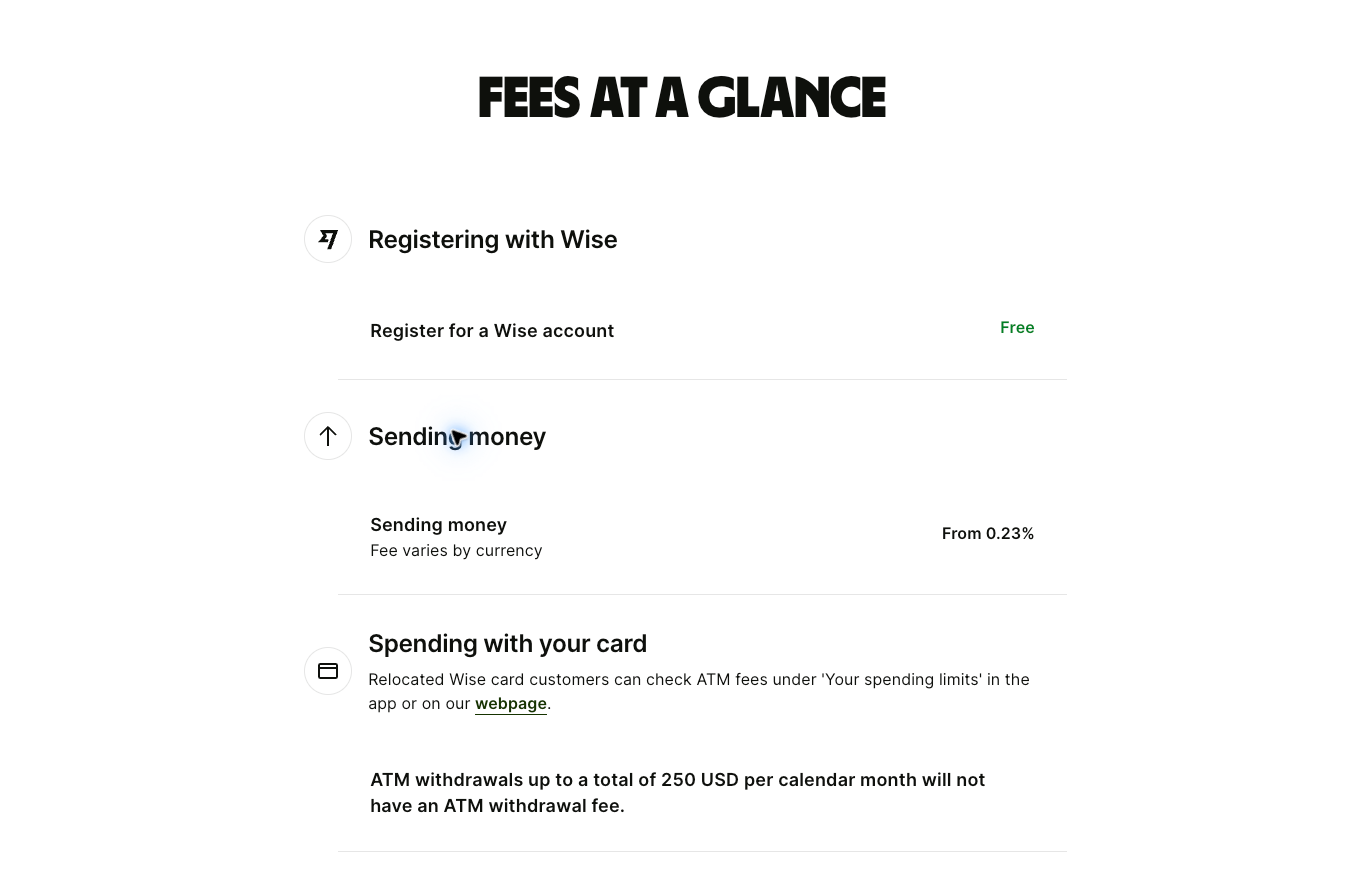
Wise is worth comparing when the route and account conditions fit the payment. Its US pricing lists a transfer fee starting at 0.23% and explicitly says the fee varies by currency. This is not a price for every transfer.
Wise says its exchange rate uses the mid-market rate without a markup, with a separate fee. Its help guidance identifies the amount, funding method and currency as pricing factors. Small transfers have minimum-fee conditions.
A guaranteed rate also has requirements. Selected currencies support a rate hold when Wise receives the full payment within the stated period. Do not treat a displayed rate as permanently available regardless of funding.
I would compare the documented Wise referral offer separately from ordinary pricing. A regional fee waiver does not establish a universal US-dollar allowance or the cost of repeat transfers.
Remitly with the account purpose identified
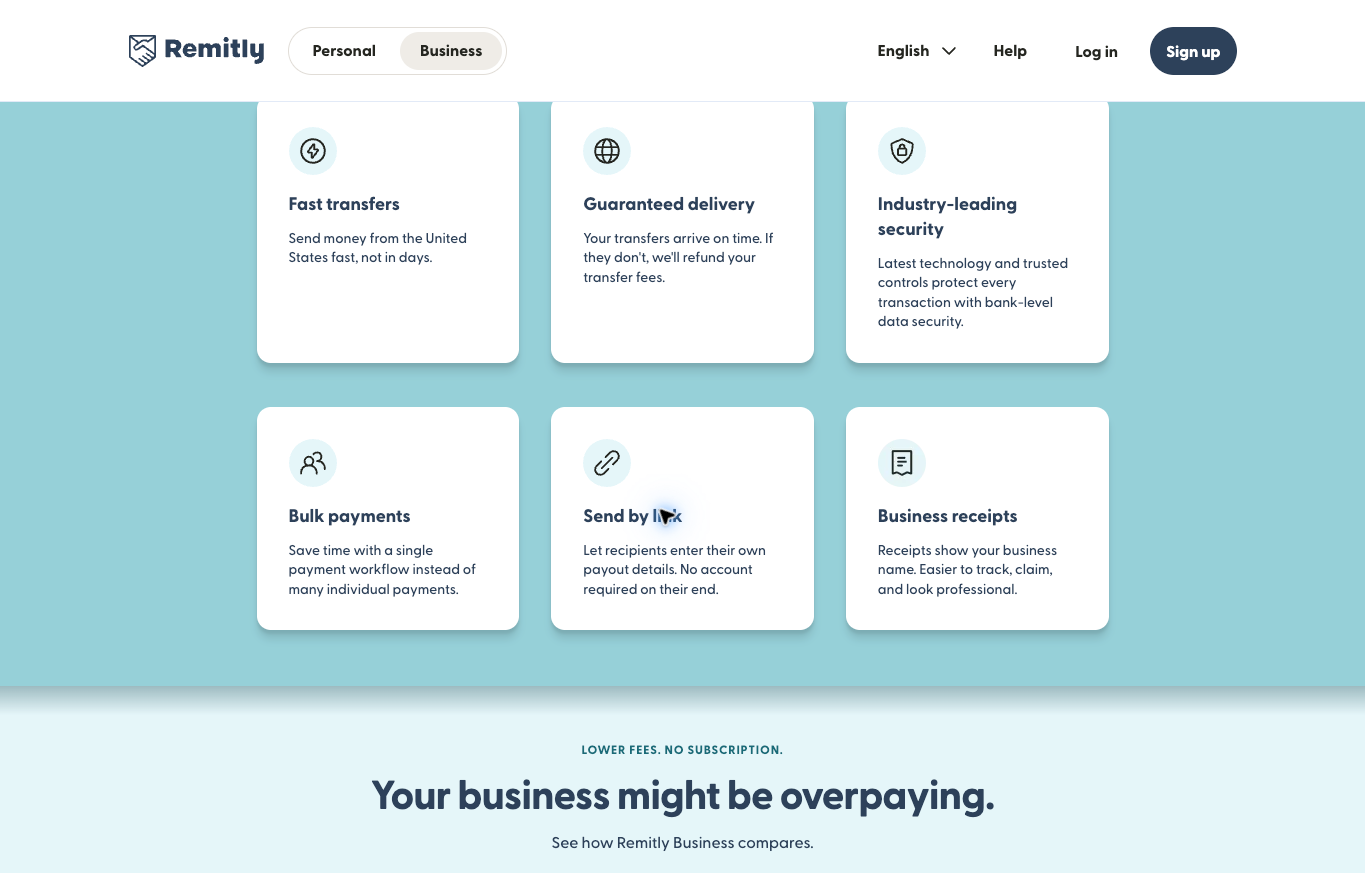
Remitly offers a separate business-payment product for eligible United States-based businesses. An older personal-only description misses this distinction. Confirm the Business Account Agreement and acceptable-use requirements before comparing an invoice payment.
The current business page advertises no setup or monthly fee, while transaction costs and applicable taxes depend on the payment. Recipient location affects delivery options. Bulk payments and recipient links are features to assess against the proposed workflow.
Its on-time delivery wording refers to refunding the transfer fee if delivery misses the applicable conditions. This does not establish a payment free from delays, verification or compliance review. Keep the actual delivery estimate beside the quote.
I would compare ordinary repeat-payment pricing rather than a short promotion. The account type needs to match the transaction. Do not disguise a supplier payment as a personal remittance to pursue a different offer.
Western Union for the required recipient method
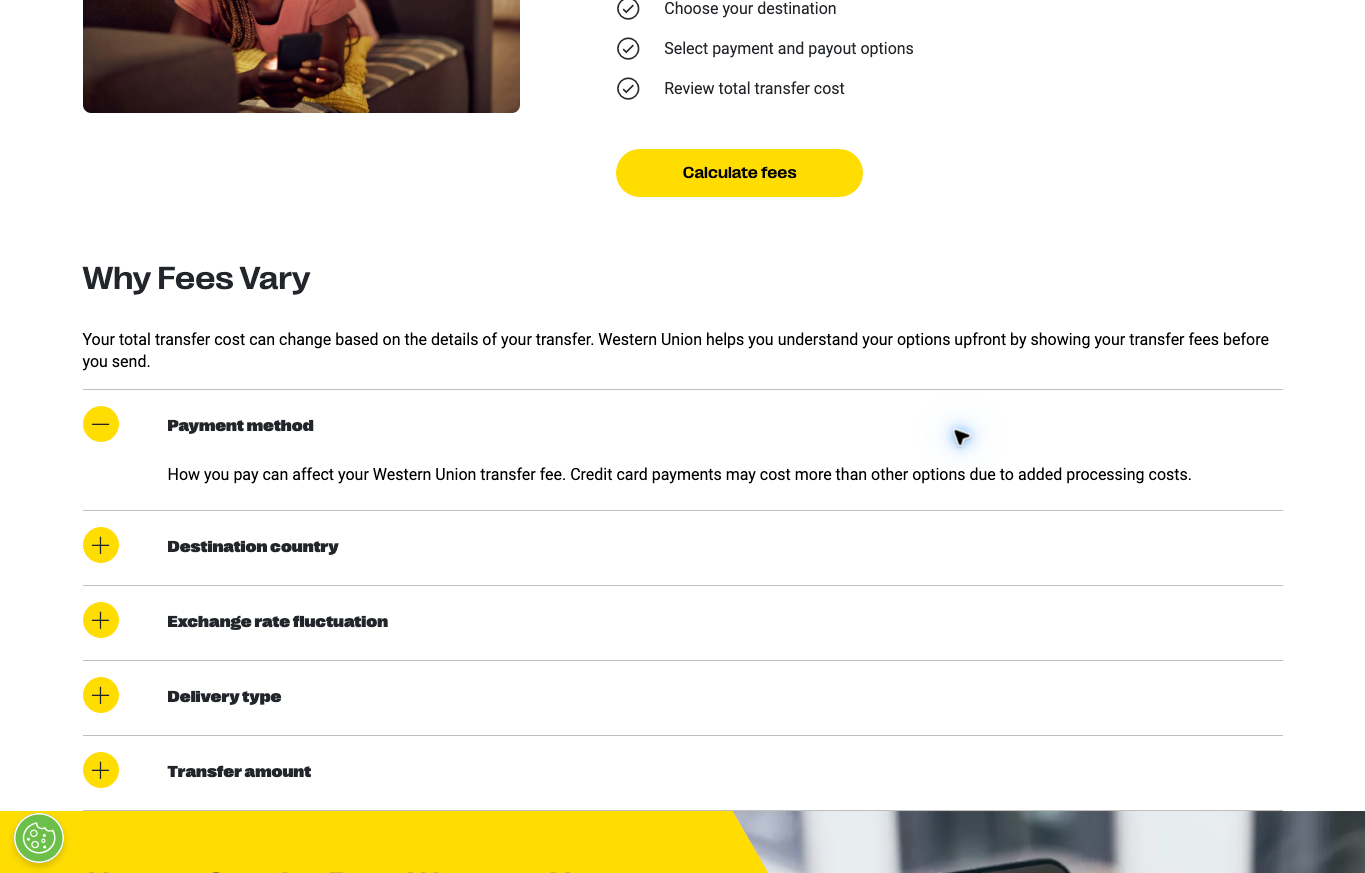
Western Union deserves investigation where the recipient needs a supported payout method, including eligible cash collection. Confirm the destination and collection arrangement before comparing the visible charge.
Its US fee page states the provider makes money from foreign exchange. A zero transfer-fee promotion therefore does not establish zero currency-conversion cost. Amount, funding, destination and payout method affect the comparison.
For cash pickup, check the actual location and identification requirements. For bank delivery, confirm the supported account arrangement. Different methods have different conditions, so avoid comparing unlike quotes.
I would evaluate the final recipient amount and the complete funding cost. Credit-card funding needs an additional issuer-fee check. A payment app’s headline does not settle the card issuer’s charges.
Airwallex for eligible business payments
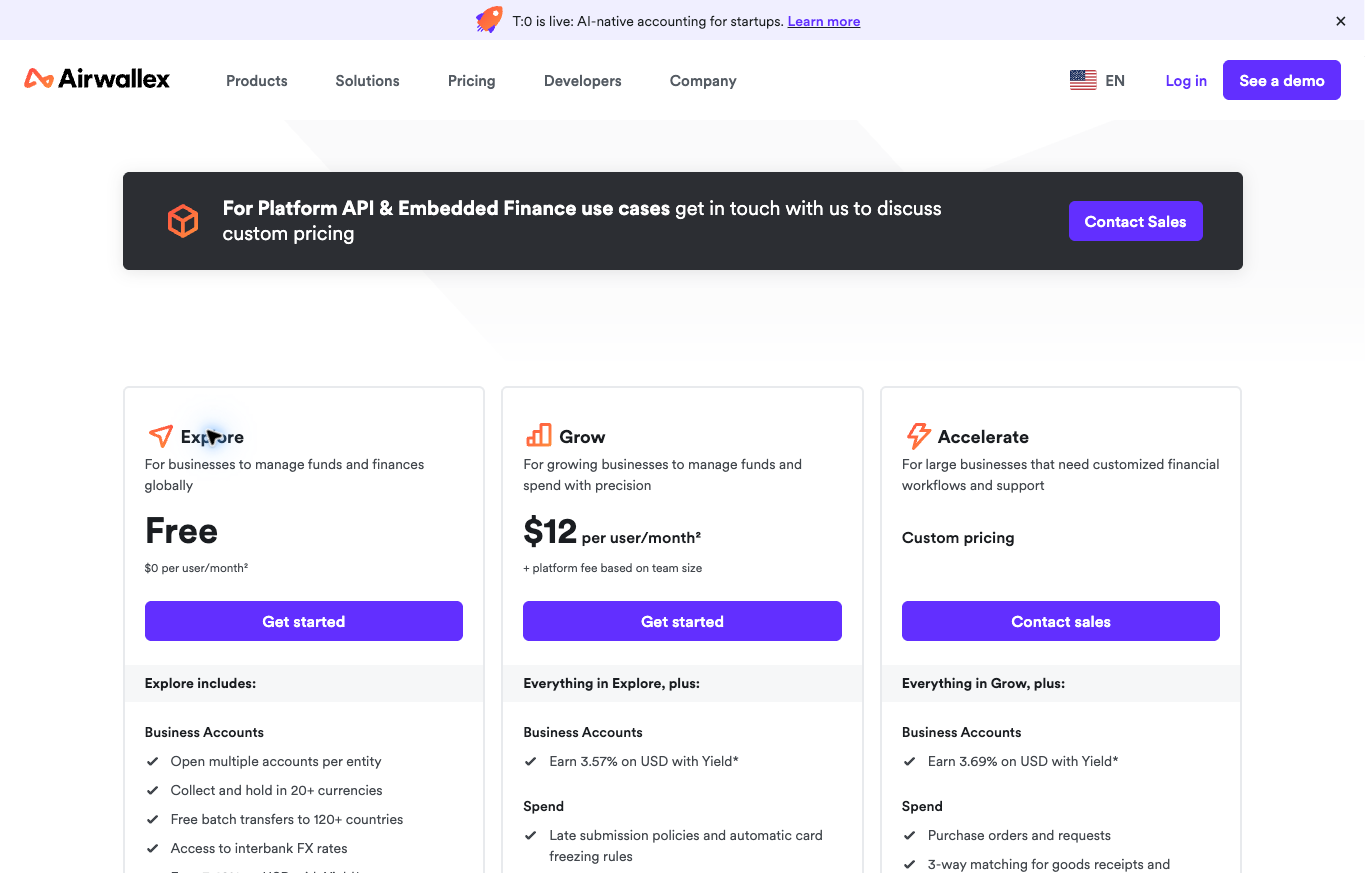
Airwallex is a business platform, rather than a personal remittance substitute. Review the legal entity, supported country and transaction requirements before treating its offer as available to you.
Current US pricing lists FX charges of 0.5% above interbank rates for major currencies and 1% for others. Selected SWIFT transfer charges are $15 to $25 under SHA and OUR arrangements. Local-transfer pricing does not establish free transfers over every route.
Grow lists $12 per active Spend user monthly, plus a platform fee based on team size. Spend-user activity has a specific definition in the pricing terms. The account-plan bill and transaction charges need separate budget lines.
I would review the Airwallex business arrangement where the broader workflow fits the business. Its investment features are separate from transfer pricing, and this article does not recommend Yield or promise deposit protection.
Define the payment and the recipient
Start with the payment purpose. A family remittance, contractor invoice and supplier deposit involve different account-use questions. Choose the permitted arrangement before comparing a promotion.
Record the sending country, receiving country and desired currency. Country availability and currency support are separate checks. A provider listing a currency does not establish eligibility for every sender or business using the currency.
Ask whether the recipient needs a bank deposit, supported wallet or cash collection. Keep the exact method in the comparison. Two providers delivering through different methods are solving different jobs.
Then define the amount. Your total budget differs from an invoice amount the recipient must receive. Ask for the same type of quote from each candidate and record the expected deductions.
Compare the final recipient amount
A visible transfer fee is one part of the cost. The exchange rate and funding charges also affect the payment. I would compare your complete outgoing amount with the expected amount arriving at the destination.
For an original hypothetical example, assume a $1,000 total budget. Provider A deducts a $5 fee and converts $995 at 0.90 destination-currency units per dollar. The recipient receives 895.50 units under those assumptions.
Provider B shows no separate transfer fee and converts $1,000 at 0.89. The result is 890 units. In this example, the zero-fee label produces a smaller recipient amount.
The assumed rates and fees are teaching figures, not current exchange rates or provider quotes. Real payments involve their own pricing, rounding and possible recipient deductions. No transaction was performed for the example.
My Wise USD-to-IDR guide covers quote questions for a narrower route. Review the actual terms rather than treating an old article number as a live currency price.
Keep funding methods consistent
Compare bank-funded quotes with other bank-funded quotes. Changing to a card changes the payment arrangement and potentially the cost. A difference between unlike quotes does not establish which provider has the lower charge for the same job.
For card funding, check the issuer’s applicable treatment separately from the transfer service. Do not assume the app’s displayed fee covers every cost. Keep currency conversion by the funding institution in the budget where relevant.
Read the provider’s instructions for funding an authorized payment. Names, references and timing matter to the selected process. An account intended for receiving funds is not automatically the correct destination for funding a transfer.
Review the Wise offering for the supported funding arrangement. An invitation benefit belongs in a separate row from ordinary repeat-transfer pricing.
Check deductions on an exact invoice amount
Agree on the invoice currency and responsibility for fees before paying a supplier. A sender budgeting a total outlay and a supplier expecting a net amount need the same understanding. Resolve the difference before approving the payment.
Ask which charges the selected fee arrangement covers. Intermediary and recipient institutions need their own review. A plan using the words international transfer does not establish a guaranteed net invoice amount.
Keep the quoted amount, currency and expected recipient total with the payment approval. If an invoice changes, obtain a new approved record rather than relying on an earlier quote. Avoid placing account numbers or private payment details in a public document.
Separate delivery estimates from promises
The relevant time is the estimate for the specific payment. A general speed headline is not evidence of delivery to your recipient. Funding, verification and destination processing belong in the review.
Ask what the estimate assumes and what happens if the payment is delayed. A transfer-fee refund under a provider’s policy differs from delivery by a deadline. Read the current conditions before relying on a commercial promise.
Leave operational room for the supplier’s own process. The point when money arrives differs from the point when an order is approved, picked or dispatched. Do not promise the customer a delivery date based solely on the payment estimate.
I would confirm an urgent invoice with the actual business contact before choosing a payment route. Pressure to skip verification makes the decision worse. The fee comparison should follow recipient confirmation, not replace the process.
Review eligibility and account limits
Downloading an app does not establish account approval. Check the supported country, entity type and permitted payment purpose through the provider’s current requirements. Additional verification and transfer limits depend on the actual circumstances.
Use the correct business profile where the payment requires one. Keep the person responsible for account administration clear. A contractor preparing invoice records does not necessarily need permission to approve or release funds.
The Wise Business guide focuses on business-account questions. Account features and transfer pricing are separate from a promise of approval.
For a large, unusual or regulated payment, get appropriate professional guidance before proceeding. This comparison is general product research, not personalized financial, legal or tax advice.
Confirm changed supplier instructions independently
An unexpected bank-detail change deserves verification through a contact channel you already trust. Do not approve the change from the same email asking for payment. A familiar logo or reply name does not establish the request’s identity.
Keep recipient verification separate from invoice entry and final approval. Write down who checked the change and through which approved process. A payment provider’s account checks do not confirm your supplier sent the instruction.
Use my supplier research guide to organize relationship questions. Confirm the company and commercial agreement before sending a deposit.
Supplier Paradise is another discovery starting point I own. A directory lead does not authenticate an invoice, establish dealer approval or verify a recipient account.
Protect the payment records
Keep confirmations and receipts in the business’s approved record system. Connect the payment to the invoice, currency and authorized recipient. An app screenshot alone does not explain the transaction’s purpose.
Do not share passwords, verification codes or private transfer references with an unexpected contact. Use the provider’s official support route for a problem. Keep public publishing and private financial administration separate.
If fraud is suspected after payment, contact the provider or financial institution promptly and ask about stopping or reversing the transaction. Recovery is not guaranteed. The Federal Trade Commission’s guidance emphasizes acting quickly rather than waiting for the scammer to fix the situation.
Understand cancellation before approving a payment
Review the supported cancellation and correction process before sending. The available action depends on the payment stage and method. A transfer still being processed differs from cash already collected.
Do not assume starting a second payment fixes an uncertain first payment. Ask the provider about the existing reference and status. Confirm the authorized next action before creating duplicate exposure.
For a business, assign the person responsible for tracking the issue and updating the supplier. Keep the payment status, provider response and remaining question in one internal record. Leave private customer and recipient details out of public screenshots.
Budget recurring business payments
A first-transfer offer does not establish next month’s cost. Compare ordinary repeat pricing with the same recipient and method. Recheck the quote when an actual payment is due rather than treating a saved estimate as permanent.
Account subscriptions and transaction charges describe separate expenses. In an original planning example, an assumed $20 monthly administration subscription adds $240 over twelve months before transfer costs. This is an illustration, not a provider price.
I would compare Airwallex’s business pricing where several operating functions justify the account. Do not buy broader financial tools for a single personal payment without a defined requirement.
Account investment features are outside this transfer comparison. A transfer service, partner-bank arrangement and investment product need separate evaluation. The presence of all three on a provider page does not create universal deposit protection.
Connect payment administration to the business model
Choose the business process before adding financial tools. A supplier agreement needs clear invoice terms, delivery responsibilities and authorized contacts. The payment app supports one part of the arrangement.
The high-ticket dropshipping guide explains the operating model. Software does not replace relationships or customer-service responsibility.
Use the high-ticket niches list to narrow category research. A focused market makes the supplier and payment requirements easier to define.
My business foundation checklist covers broader ownership and administrative decisions. Transfer software does not determine your business or tax obligations.
Ecommerce Paradise coaching supports ecommerce business planning as a separate paid service. The service does not execute transfers or provide personalized financial advice.
The Ecommerce Paradise Academy provides classroom and membership information. Review current enrollment terms separately from the provider’s account agreement.
Questions before choosing a transfer service
Which app is always cheapest?
This comparison establishes no universal winner. Compare the same countries, currencies, amount, funding method and payout arrangement using current quotes.
Does a zero transfer fee remove all costs?
No. Exchange-rate costs, funding charges and other applicable deductions still need review. Compare total outgoing and recipient amounts.
Is every personal account suitable for invoices?
No. Review permitted use and eligibility. Remitly has a separate business product, and Airwallex serves business workflows.
Does a delivery guarantee eliminate delays?
No. Review the applicable estimate and policy. A transfer-fee refund differs from a guarantee against verification or processing delays.
Were transfers performed for this article?
No. Public provider pages and dated screenshots support the comparison. No accounts, recipient records or transactions were created.
Related guides
The Wise USD-to-IDR guide covers a narrower route. My Wise Business guide addresses account requirements.
Read the Wise receiving-account guide for supported details and verification. Compare the business account options as a separate financial-foundation decision.
The remote business tools guide puts payment administration beside communication and security. Keep each tool tied to a defined operating task.

Trevor Fenner is the founder of Ecommerce Paradise. His main projects are Ecommerce Paradise, Supplier Paradise, and Review Paradise, which is currently in development. TrevorFenner.com publishes research-based reviews and practical guides to online business tools and remote-work services, with clear affiliate disclosures.