

The best airline loyalty programs fit the trips you expect to take. Start with your departure airport and realistic dates. A large points balance has limited value when the available flight arrives too late or requires an inconvenient connection.
I would compare Aeroplan, Flying Blue and Atmos Rewards against one specific itinerary before choosing a program. The useful question is whether the trip works at an acceptable total cost. A promotional points offer answers a different question.
At Ecommerce Paradise, I focus on a practical operating plan. Travel rewards should support ordinary travel rather than create reasons to spend more or take unnecessary flights.
This comparison uses public program sources reviewed October 14, 2026. The three retained provider images were captured October 13. No loyalty accounts, private balances, award searches, points purchases, bookings or redemptions were tested.
Affiliate disclosure: qualifying purchases through the documented Aeroplan and Flying Blue links provide compensation subject to program approval and terms. The linked offers concern points or Miles purchases, not enrollment or flight booking. I own Ecommerce Paradise and Supplier Paradise.
Aeroplan for a suitable itinerary
I would investigate Aeroplan when Air Canada or eligible partners serve the trip. A partner relationship does not establish reward-seat availability for your date and cabin. Compare the actual fare and required cash before assigning a value to the points.
The current US flight-reward policy lists a CAD39 applicable partner-booking fee per ticket and a separate nonrefundable CAD30 Contact Centre service fee. These are Canadian-dollar amounts. The policy also distinguishes Points + Cash payments from an ordinary paid ticket.
Reward travel does not earn Aeroplan points or status-qualifying credit under the reviewed policy. Keep reward redemption and status earning separate. An attractive award does not establish progress toward a particular status benefit.
Aeroplan’s public notice pauses expiry through November 29, 2026, with normal expiration policy returning November 30. Check the actual eligible-activity requirement and account deadline before relying on the pause. A temporary notice does not establish points never expire.
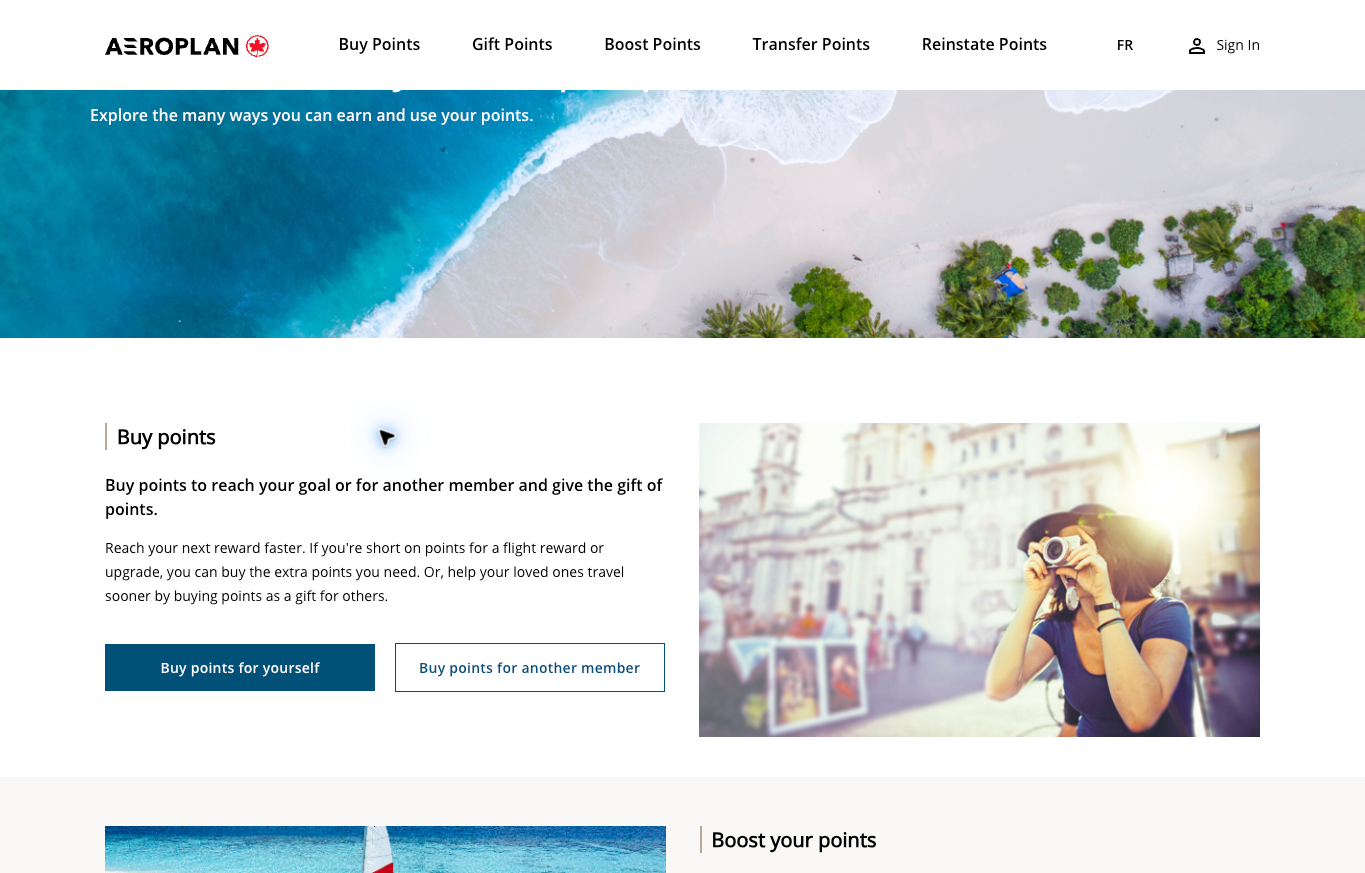
The Aeroplan points-purchase gateway is a separate optional top-up offer. Its public page reached a Canadian-market buy-and-gift gateway during this review. No purchase quote or account-specific eligibility was checked.
Flying Blue for the selected reward fare
Flying Blue covers Air France and KLM loyalty benefits. Investigate the program when the available travel fits your route, then compare the selected reward fare’s cash contribution and conditions.
Its September 8, 2026 changes introduce Light, Standard and Flex for qualifying new Air France and KLM reward bookings. The current Q&A specifies Standard only for Air France or KLM operations combined with partner flights. Standalone partner rewards stay nonbranded.
The announcement lists different change and refund conditions. Review the actual fare and applicable status benefits rather than assuming a low Miles price includes flexibility. An existing ticket retains its own conditions.
The May 4, 2026 validity update describes a single 24-month period extended by eligible earning activity. Germany is an explicit exception and retains three-year validity conditions. Other status, membership, card and age exceptions require separate review.
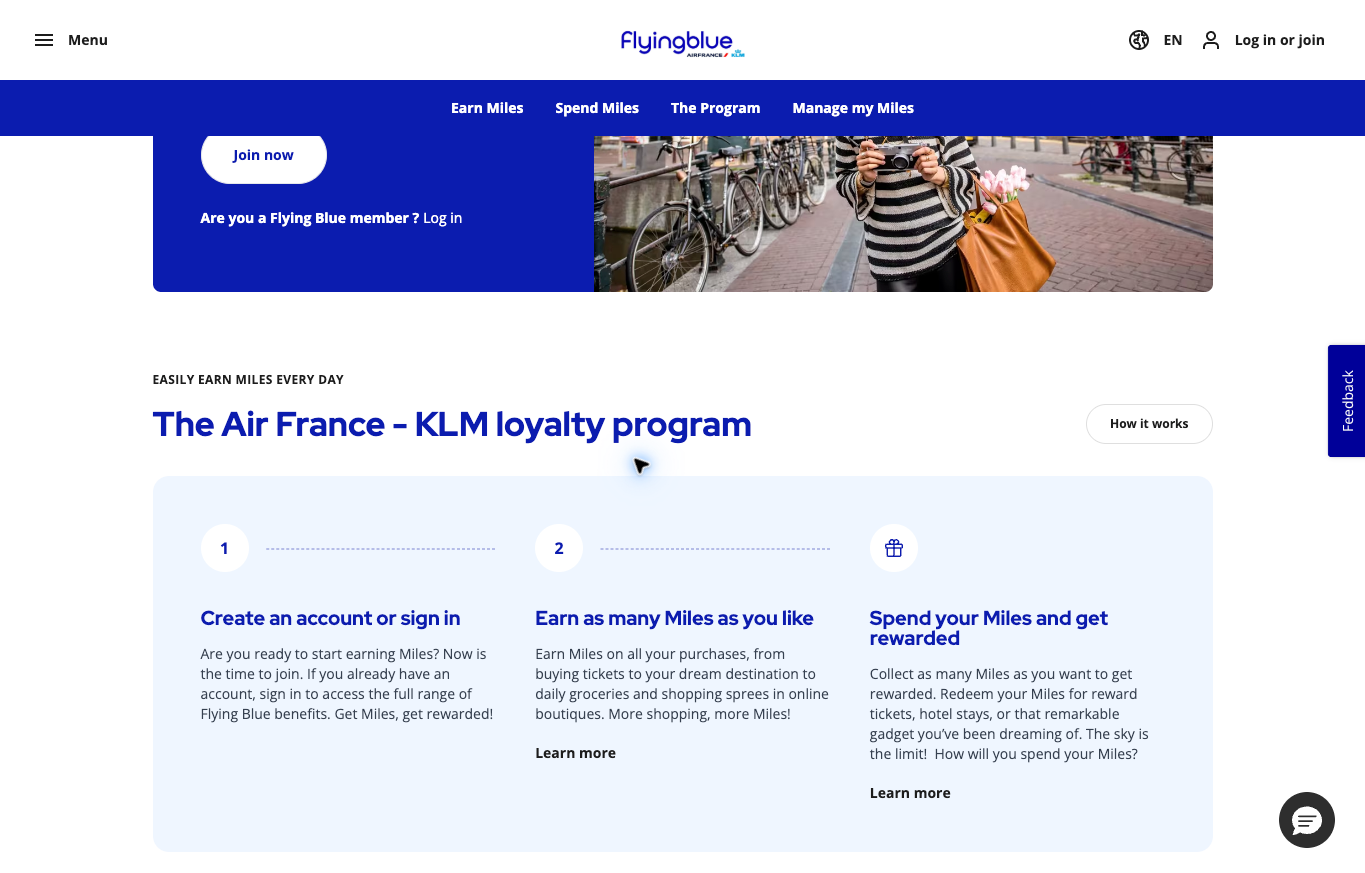
The Flying Blue Miles-purchase offer reached a sign-in screen during this review. No account-specific offer, price or eligibility was inspected. The public program image illustrates the program, not a completed purchase.
Atmos Rewards for the relevant travel network
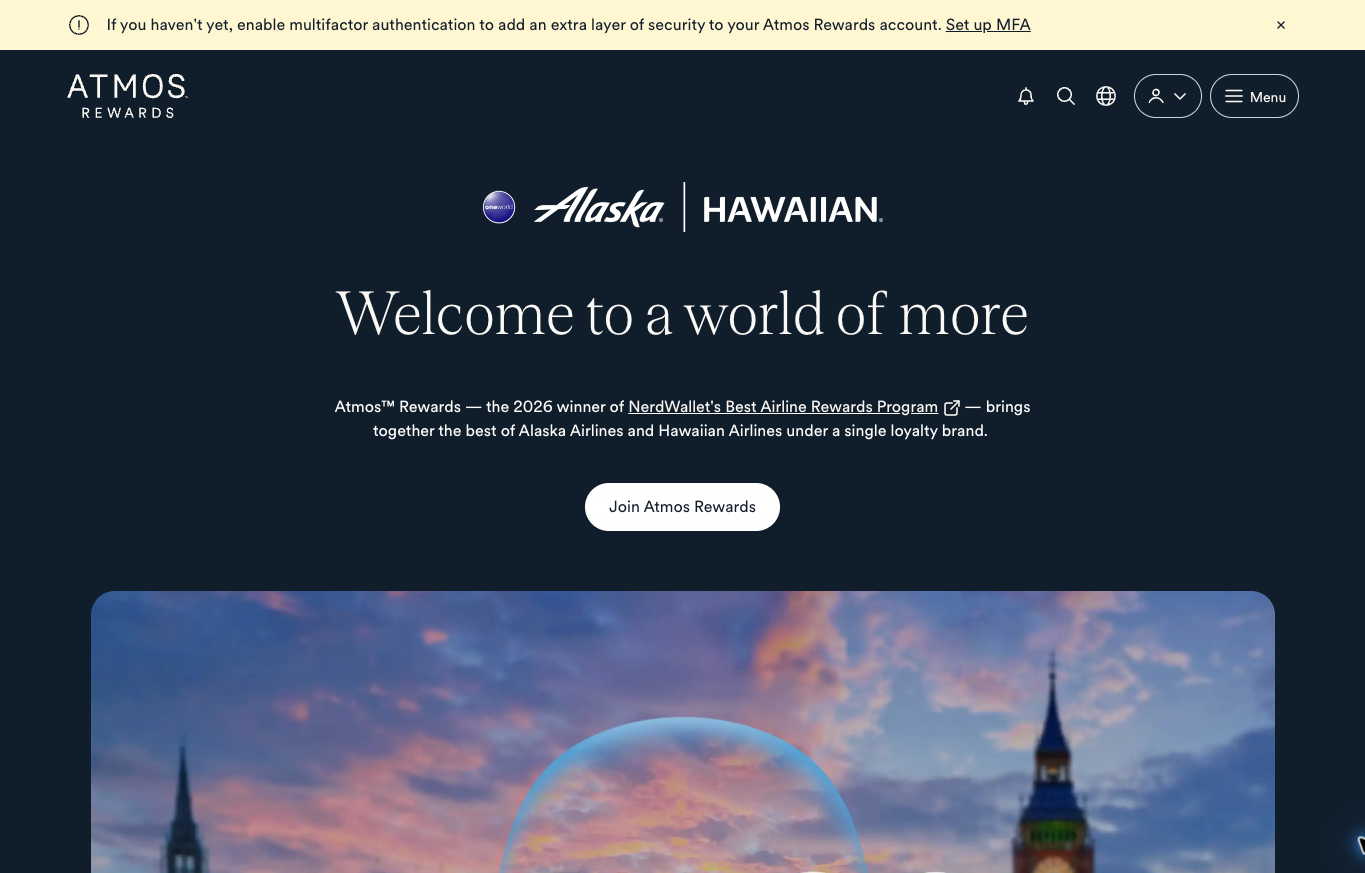
Atmos Rewards combines Alaska Airlines and Hawaiian Airlines loyalty programs. Check current branding and rules rather than treating older Mileage Plan or HawaiianMiles material as automatically current.
The September 29, 2026 announcement permits earning-choice selection from October 1 for departures on or after January 1, 2027. Distance, price paid and segments are separate choices. The selection date does not make the future rules apply to every flight today.
Existing members without a selection retain distance-based earning. New members joining from January 2027 default to price paid under the announcement. The applicable earning table, fare and booking conditions still need review.
I would judge the choice against planned travel. Buying an unnecessary ticket to earn additional points increases travel expense without establishing a worthwhile benefit. Redemption points and status points serve different purposes.
Compare programs against the same trip
| Program | Starting comparison | Rule to review | Linked offer scope |
|---|---|---|---|
| Aeroplan | Suitable Air Canada or eligible partner itinerary | Applicable Canadian-dollar charges and expiry deadline | Optional points purchase |
| Flying Blue | Selected Air France or KLM reward fare | Fare conditions and regional validity rules | Miles purchase, sign-in required |
| Atmos Rewards | Relevant Alaska, Hawaiian or eligible partner trip | Earning choice versus actual departure date | Unlinked program comparison |
None of these starting points establishes award availability or the cheapest fare. Compare the actual route, cabin, dates and total cost before choosing. Membership and an optional points purchase serve different purposes.
Start with the flight you would otherwise buy
Write down the trip before opening a points-purchase offer. Record departure airport, destination, dates and acceptable arrival time. Include whether the schedule depends on work, family or an event. Those details determine which alternatives deserve comparison.
Decide how much flexibility you have. A connection through another airport adds more than flight time when ground transportation or an overnight stay is required. Include those costs instead of comparing the points total alone.
I would use the cash ticket you would genuinely consider buying as the alternative. An expensive flexible premium fare is not a useful baseline when you intend to buy a standard economy ticket. Keep the cabin and conditions consistent.
Write down the booking conditions for both options. Checked baggage, change restrictions and cancellation treatment affect the decision. A smaller initial number does not establish a better arrangement for a trip with an uncertain schedule.
For several travelers, repeat the comparison for the whole group. One available reward seat does not establish the same cabin and flight are available for everyone. Keep each traveler’s required dates and acceptable arrangements clear before calculating the total.
Record which fare the cash quote describes. If the quote excludes checked baggage you need, include the relevant cost in the comparison. If the reward option requires a longer stay, add the extra accommodation and ground transport. Use confirmed amounts rather than inventing a standard allowance.
A useful worksheet also records the reason an option was rejected. An unsuitable arrival time, unavailable cabin or unacceptable refund condition helps explain the decision later. The lowest displayed price does not override the requirements you set for the trip.
Keep a date beside every quote and avoid mixing results from different searches. When you revisit the decision, refresh the offer instead of treating an old screenshot as a current reservation. This guide’s public images document program pages on their capture date, not available seats or a ticketed itinerary.
Calculate the whole redemption
Record points required and mandatory cash together. Include separate booking fees and other confirmed expenses. Keep each currency labeled. Converting Canadian-dollar charges into a US-dollar budget requires the actual applicable conversion rather than copying the original number.
For an original hypothetical example, assume a comparable cash ticket costs $600 and the reward requires 30,000 points plus $150. The cash difference is $450 before other differences. Dividing $450 by 30,000 produces 1.5 cents per point for this example only.
Now assume purchasing the required points costs $500. Adding $150 gives $650 before other purchase costs, above the $600 cash alternative. The apparent redemption value does not make the purchase worthwhile. These figures are arithmetic, not a current offer or tested redemption.
Use your own comparable quotes. Existing points and purchased points have different histories and constraints. A large balance does not make the associated cash charges disappear or establish a permanent value for the program.
Do not present a calculated value as a guaranteed resale price. The purpose of the worksheet is choosing a specific trip. A future itinerary, different cabin or changed award price produces a different calculation.
Keep a top-up separate from program selection
A loyalty program deserves evaluation even when buying its currency is unattractive. Start with ordinary travel and the benefits relevant to those trips. A points-sale headline should not determine your departure airport or encourage an unnecessary booking.
Before a paid top-up, identify the amount missing from a specific usable reward. Check the full purchase cost, eligibility and timing. A purchase does not reserve the seat or guarantee the award price stays available while the transaction is processed.
Review the Aeroplan top-up offer only as a separate purchase decision. Confirm the current terms and total currency-labeled price. The public gateway does not prove a particular account receives a promotion.
A bonus percentage describes an offer structure, not the value of your trip. Compare the final cost with the cash alternative. Avoid borrowing or increasing ordinary spending solely to accumulate a speculative balance.
The Flying Blue purchase gateway requires account access for the reviewed offer. No private quote was checked here. Sign-in access and qualifying purchase approval are separate from public program research.
Check availability without promising a seat
A route map establishes a network, not available reward inventory. Record the specific itinerary, date and cabin from the actual search when you perform one. A provider screenshot in this guide is not an award-search result.
Review every flight segment. A connection introduces another departure time and another cabin to check. Do not describe an itinerary as premium throughout without inspecting the actual segment details.
Compare acceptable nearby dates only when the flexibility is genuine. An available Tuesday flight does not solve a required Monday arrival. The traveler should understand the tradeoff before a points purchase or transfer is considered.
Do not turn an observed search into a lasting availability promise. Record when the result was checked and distinguish research from ticketing. This guide did not search accounts, hold seats or complete reservations.
Manage expiration and benefits separately
Record the actual balance deadline and the activity recognized by the program. Keep points validity separate from certificates, status and other benefits. A single account screen contains several types of information with different rules.
A reminder is useful only when the underlying deadline is correct. Check the current regional policy and any applicable exception before entering a date. Germany’s Flying Blue validity exception is one reason a broad headline needs a closer reading.
Do not assume an account login, unrelated purchase or booking extends validity. Identify the eligible activity and when the activity is credited under the applicable terms. Avoid unnecessary purchases based on an unconfirmed expiration assumption.
For Aeroplan purchase research, keep buying points separate from verifying eligible activity. The temporary expiry pause does not establish the terms of every buy, gift or transfer transaction.
Compare earning and status against ordinary travel
Redeemable points and status qualification are different calculations. Identify which benefit you want and the travel you already expect. Do not combine unrelated balances into a single number and call the result progress toward status.
Check the fare, operating airline and booking-channel conditions for each trip. A general program explanation does not establish every flight earns the same amount. Future earning choices also need the correct departure date.
I would evaluate the actual benefit before changing the travel plan. A baggage allowance matters when you need checked luggage. A benefit tied to an unavailable route offers little help with the trip under review.
My business credit card comparison focuses on fees, eligibility and ordinary business expenses. Rewards should not become a reason to take on debt or spend beyond the existing budget.
Leave enough time for changes
A client meeting, event or family commitment creates a different risk from a flexible holiday. Review change and cancellation treatment before ticketing. The lowest points option is less useful when the schedule already needs flexibility.
Keep the confirmed ticket conditions with the booking record. If plans change, use the provider’s actual process rather than relying on an earlier promotional summary. Follow the applicable deadlines and avoid assuming every fee is waived.
A refund of cash, reinstatement of points and return of a certificate are different outcomes. Ask which applies to the actual fare and situation. Do not turn a broad refund headline into a promise of immediate repayment for every part of the itinerary.
Give the traveler a clear owner for follow-up. Save the booking reference privately, record the next step and track the provider response. Keep account access and sensitive passenger details out of public screenshots or shared research sheets.
Keep travel separate from reliable business operations
A reward flight does not create revenue or answer customer messages. Before adding travel complexity, decide who handles orders, support and urgent decisions during transit. A long connection consumes working time even when the ticket looks inexpensive.
The high-ticket dropshipping guide covers one online retail model. The business decision needs its own work, separate from the travel benefits discussed here.
Use the high-ticket niches list to organize category research. A niche needs product and customer evaluation before assumptions about location independence.
The supplier research guide helps prepare agreement and operating questions. Supplier relationships remain important while the owner is traveling.
Supplier Paradise is a supplier-discovery resource I own. The directory is separate from airline programs and does not guarantee a dealer agreement or replace supplier due diligence.
My business foundation checklist covers broader setup responsibilities. Keep those decisions separate from loyalty membership or travel status.
Ecommerce Paradise coaching is a separate paid service for business planning. The Ecommerce Paradise Academy describes current classroom and enrollment options. Neither offer books flights or guarantees reward savings.
Questions before choosing a loyalty program
Which program is best for everyone?
No universal winner is established here. Route, dates, total cost and conditions determine the fit. This is a research shortlist, not a tested performance ranking.
Do the linked offers enroll members or book flights?
No. The documented Aeroplan and Flying Blue destinations concern paid points or Miles. Membership and ticketing require separate decisions.
Does buying points reserve an award?
No. A purchase and a ticketed reservation are separate. Check availability, timing and applicable conditions before committing money.
Does Flying Blue use the same expiry rule everywhere?
No. The reviewed announcement explicitly excludes Germany from the new 24-month rule and retains three-year conditions there. Other account exceptions also require review.
Do Atmos’s new earning choices apply to every current flight?
No. The announcement separates October 2026 selection from departures on or after January 1, 2027. Check the actual fare and earning table.
Related travel and operating guides
My hotel booking comparison starts with the actual stay and booking conditions. Accommodation costs belong beside the flight in the trip budget.
The business banking guide covers operating accounts rather than reward chasing. Keep travel expenses and business records clear.
Read my USD-to-IDR transfer guide for a separate currency-transfer decision. A travel-rewards balance is not a bank transfer or an available cash balance.
The VPN comparison covers subscription, device and renewal considerations. A VPN is separate from booking eligibility and does not replace responsible account security.

Trevor Fenner is the founder of Ecommerce Paradise. His main projects are Ecommerce Paradise, Supplier Paradise, and Review Paradise, which is currently in development. TrevorFenner.com publishes research-based reviews and practical guides to online business tools and remote-work services, with clear affiliate disclosures.