

The best high-ticket dropshipping niches are not simply the categories with the biggest price tags. You need products people want, suppliers willing to work with your business and enough margin after delivery, support and marketing. If one of those pieces is missing, a $3,000 order can still be a bad business decision.
I would research saunas, massage chairs, outdoor kitchens, greenhouses and backup generators as five different starting points. I am not calling them guaranteed winners. Each has supplier, fulfillment and service questions that need answers before you commit to a store.
At Ecommerce Paradise, I teach starting with a focused niche and going deep before you go wide. That means understanding the buyer and the operating requirements, not putting every expensive product you can find into a general store.
The manufacturer examples behind this guide were checked October 11, 2026. They illustrate questions to investigate, not proof that a supplier will approve your store or give you particular wholesale terms. I have not negotiated a new dealer agreement or tested these products for this article.
Affiliate disclosure: some links in this article are affiliate links, and I may earn a commission at no additional cost to you. I own Ecommerce Paradise and Supplier Paradise, which are mentioned as relevant resources.
Start with candidate categories, then verify the details. Explore the free niches resource →
Quick comparison: the question that can stop each idea
| Candidate | Buyer question | Critical operating check | Current decision |
|---|---|---|---|
| Saunas | Will this fit my site and installation plan? | Delivery access, assembly and model-specific electrical requirements | Hold pending supplier and cost answers |
| Massage chairs | Will it fit, and who handles service? | Inside delivery, return freight and exact warranty | Hold pending supplier and cost answers |
| Outdoor kitchens | What configuration and installation do I need? | Included components, site requirements and replacement parts | Hold pending supplier and cost answers |
| Greenhouses | What must be ready before assembly? | Actual model documents, site and delivery requirements | Hold pending supplier and cost answers |
| Backup generators | Who sizes, installs and services the system? | Qualified local installation and service arrangement | Hold pending supplier and cost answers |
A hold is not a rejection. It means the next action is answering a specific question, not buying a domain and assuming the rest will work out. None of these categories has been commercially validated for your store by this article.
What the best high ticket dropshipping niches need to prove
First, establish the buyer’s job. Are they improving a backyard, furnishing a relaxation space or planning backup power? Those are different decisions with different questions, timelines and support requirements.
Then establish the supplier relationship. A public retail listing is not a wholesale quote, and a brand appearing in a directory is not dealer approval. You need written answers about the products you can sell, the channels you can use and who handles the order after you submit it.
Finally, calculate what remains after the costs. Product price is only the starting point. Freight, payment processing, returns, support, software and marketing can change whether the opportunity makes sense.
My high-ticket dropshipping guide explains the model. Keep that foundation in mind while evaluating the categories below: the supplier ships, but your business still needs to manage the customer experience.
Five candidate niches to research
1. Saunas: understand the site and delivery requirements
A sauna buyer needs more than a price and a nice product photo. They need to know whether the selected model suits the intended location, how it arrives and what must be ready before it can be used. Those questions create useful content opportunities, but also a real support burden.
Almost Heaven’s public delivery guidance distinguishes pallet or curbside delivery from the work after delivery. Its support information directs buyers to the electrical requirements for the particular heater or model. These are manufacturer examples, not terms for every sauna supplier. Do not advertise installation as included just because shipping is available.
I would ask the supplier who handles assembly, what access the carrier requires and how damaged packaging should be documented. Then confirm the exact product manual and the appropriate professional installation process. Do not give generic wiring advice in place of model-specific instructions.
My decision would be to hold until those answers and the actual landed costs are clear. Move toward a controlled test only when you can explain the delivery promise accurately and the supplier relationship supports your store.
Research the buyer’s questions before building pages. Explore KWFinder for demand research →
2. Massage chairs: look closely at fit, service and returns
Massage chairs are a category where delivery and service can matter as much as product features. A buyer may need to check access through the home, placement and the difference between curbside delivery and an upgraded inside-delivery service.
Osaki USA’s public delivery information described assembly as separate from standard curbside shipping. It also noted that access and safety conditions affect upgraded delivery. Those direct-retail examples are not your dealer agreement; verify the actual offer you plan to sell.
I would also get the exact warranty in writing. An overview saying three years does not necessarily mean every component and every type of service has identical coverage for three years. Confirm who takes the support call, who approves service and whether the terms differ by model or sales channel.
Keep claims about the product accurate and avoid unsupported health promises. The next step is to confirm the fit information, return freight and service process. If your store cannot support those questions, I would hold this category rather than treating the high price as enough.
3. Outdoor kitchens: configuration is part of the offer
An outdoor kitchen buyer may be comparing a modular arrangement rather than one standalone appliance. The layout, included components and installation requirements need to be clear. A product page that looks attractive but leaves those details vague can create expensive misunderstandings.
Mont Alpi Canada’s regional instructions highlighted module assembly and gas-connection rules. That is a reason to check the actual model manual and market-specific requirements, not proof of US dealer terms or a basis for claiming every kitchen uses the same installation process.
I would ask which configurations are supported, what is included, what the installer handles and how freight damage or missing components are resolved. Confirm whether the supplier supports replacement parts and what information your team needs to identify them.
Hold until the product configuration and after-sale process are clear. This category can require a more consultative buying experience, so make sure the store can answer questions rather than sending buyers straight to a checkout with assumptions still unresolved.
4. Greenhouses: check the site, assembly and actual model
A greenhouse buyer needs to understand the space and work involved after the kit arrives. Different models and locations can create different requirements. Do not assume an assembly resource means the product is installed for the customer.
The examples reviewed were Planta Greenhouses’ Canadian customer-service information and BILT’s Planta assembly resources. They did not establish universal US delivery, foundation or permit requirements. Those remain questions to verify for the actual model and site.
I would ask the supplier about packaging dimensions, delivery access, assembly support and the documents the customer receives. Check the model’s stated requirements and avoid inventing wind, snow or structural ratings.
Hold until you can clearly explain the buying and assembly process. A useful next step is a supplier-backed product-information checklist, not a broad promise that a greenhouse kit will suit every property.
5. Backup generators: do not confuse product sales with installation
Backup power is a category where the customer’s actual need and the selected equipment matter. A portable unit and a home standby system are different offers. I would not treat them as interchangeable products inside one generic recommendation.
Generac’s public home standby information describes professional assessment of the property, sizing and installation requirements. Its dealer information distinguishes capabilities, with not every dealer offering the same installation or service work. That example does not establish your commercial authorization or terms.
I would hold a standby-generator opportunity until the sales, installation and ongoing service arrangement is clear. Do not promise an installation cost or give fuel and electrical instructions based on a generic category article. The customer needs the right qualified professionals and current model requirements.
This may be a better fit for a quote-led or specialist sales process than a beginner store selling a box without an installation plan. That is an inference from the operating complexity, not a claim that the niche cannot work.
Get supplier answers before ranking a niche
I would ask about dealer approval, marketplace restrictions, minimum orders and how the supplier receives an order. Then ask about inventory updates, dispatch information, returns and warranty service. Record the answer and the date instead of relying on a casual assumption.
My supplier sourcing guide covers that relationship-building process. You are looking for a workable agreement, not merely a company with expensive products on its website.
Ask whether a MAP policy exists and what it actually requires. Do not assume every brand uses MAP, that it guarantees your margin or that it removes competition. Get the current policy directly from the supplier and understand the responsibilities it creates.
Supplier Paradise is a discovery starting point I own. A listing does not guarantee approval, stock availability or wholesale terms. Use it to organize research, then verify the actual arrangement before making promises to customers.
Build the store around a real operating agreement. See the Ecommerce Paradise store build service →
Calculate what remains after the sale
Record which expenses are fixed and which vary with the order. A remote freight delivery, inside-placement service or unusually expensive return can change the calculation for one customer. Check those exceptions before advertising a universal delivery promise.
Here is a hypothetical example, not a wholesale quote or a typical niche margin. Suppose a product sells for $2,000. Its supplier cost is $1,400, freight is $150, payment processing is $60, your allowance for returns and service is $90 and customer acquisition costs $150.
That leaves $150 before software, general overhead, taxes and any missing costs. The order value looks impressive, but the remainder is much smaller. If freight costs another $100, most of that remainder disappears.
Use actual quotes and your own assumptions for a real decision. Ask what changes for remote delivery, inside service, returns or damaged goods. Do not use a headline gross margin as if it already accounted for those expenses.
I would identify the assumption most likely to break the model. It might be acquisition cost, an unreliable freight quote or a return arrangement your business cannot absorb. Solve that uncertainty before calling the category a test candidate.
Keep the financial and business records organized from the start. The business foundation checklist is a useful broader reference. It does not replace actual supplier quotes or professional advice for your circumstances.
Research demand without turning estimates into guarantees
I would investigate product questions, comparisons and buyer requirements within one category. A high-level search term can hide several different audiences. A buyer researching an installation requirement may need a different page from someone comparing product models.
KWFinder: organize the buyer’s search questions
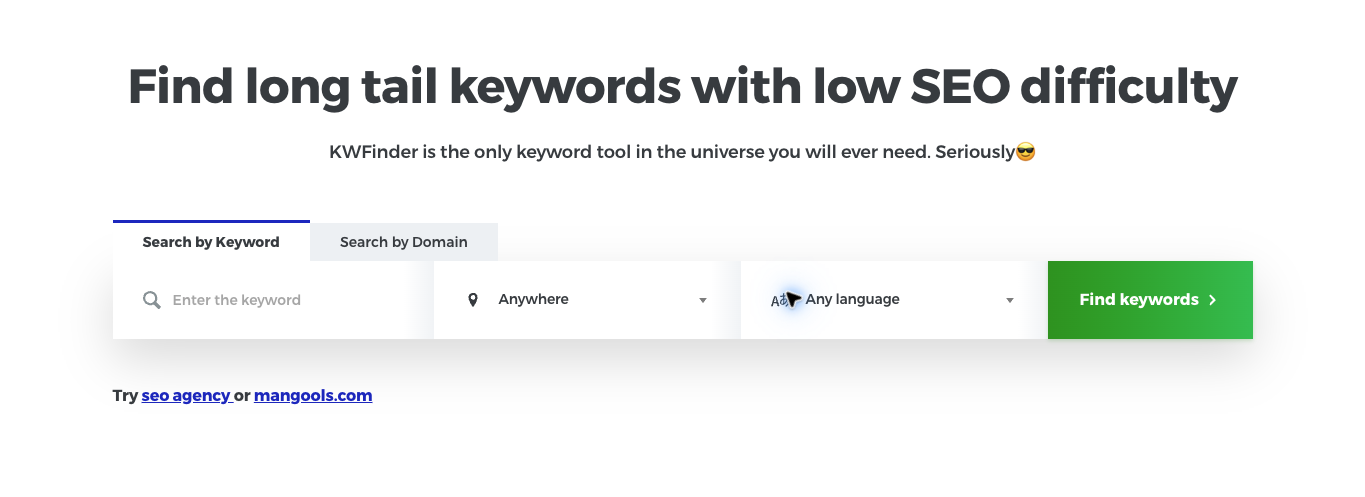
KWFinder can help organize those questions and inspect location-specific search estimates. Use the correct market and language, then look at the actual results. Difficulty and volume are signals, not proof that your store will rank or acquire customers profitably.
Look at competitors’ offers as well as their prices. Check how they explain delivery, product fit, service and buying options. Do not copy their claims or assume their supplier terms are available to you.
The useful outcome is a clear information gap your store can address accurately. If the only plan is to sell the same item at a lower price, you may not have enough room for marketing and service. Identify why the buyer would trust your store.
Choose a small test, a specific hold or a pass
A test decision means the critical questions have answers and there is a controlled next step. That might be a focused content page or a small, explicitly authorized commercial test. Define the signal you need and the conditions that would stop the test before spending.
A hold decision means a specific answer is missing. Write the question, the person who can answer it and why it matters. Hold is useful only when it leads to evidence, not when it becomes a way to postpone every decision.
A pass decision means a critical requirement does not fit. A supplier may not allow your sales channel, delivery may be too difficult for the intended audience or the costs may leave too little room. Passing on a poor fit is part of protecting your time and money.
Shopify: evaluate the store platform after the niche
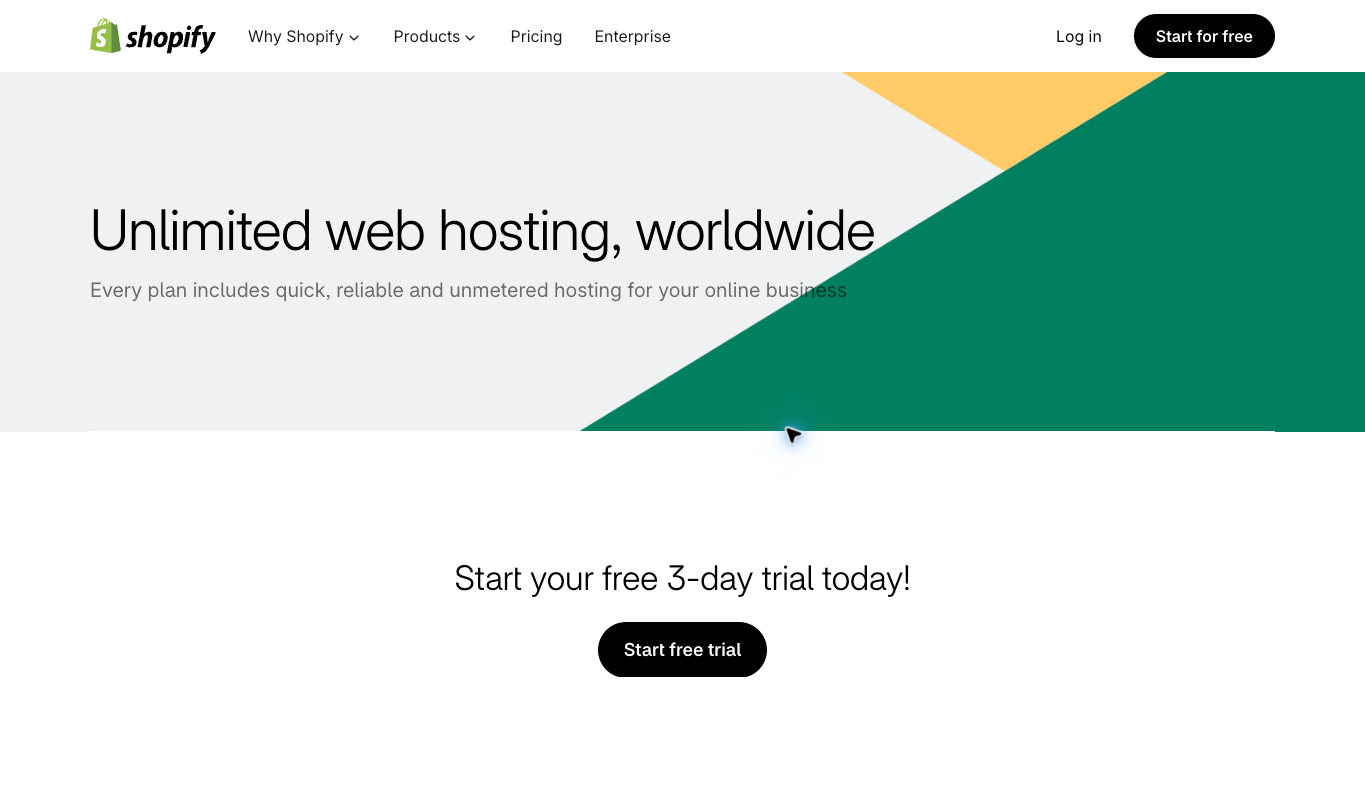
If you are ready for the store foundation, Shopify is a platform to evaluate for the operating needs you have identified. It does not provide supplier approval or validate the niche just because you can build a storefront quickly.
Learn the process before expanding the category list. Explore the Ecommerce Paradise masterclass →
How I would choose the best high ticket dropshipping niches
I would choose the category with the clearest buyer problem, the most workable supplier arrangement and economics I can explain. Not necessarily the category with the highest product price or the one that looks exciting in a video.
Use the high-ticket niches list to expand the research, then narrow the field. Go deep into the actual brands, models, customer questions and costs before you go wide into several categories.
Keep a short evidence file for the leading candidate. Separate verified facts from assumptions and unanswered questions. That makes your decision easier to review and prevents enthusiasm from quietly replacing research.
Frequently asked questions
Is the most expensive product category the best niche?
No. A large order value does not establish profitability. Supplier costs, delivery, returns, support and marketing all affect what remains after a sale.
Does a supplier directory listing mean I am approved?
No. A directory helps with discovery. You still need the actual supplier’s approval and written terms for the products and sales channels you intend to use.
Does MAP guarantee a profitable store?
No. Verify whether the supplier has a policy and what it requires. Price rules do not remove your other expenses or guarantee demand.
Should a beginner start with home standby generators?
Not without understanding the installation and service arrangement. The category can require professional site assessment and a specialist process. Treat that as a critical validation gate.
When should I stop researching and test?
When critical supplier, customer and cost questions have credible answers, and you have a controlled next step with a success signal and stop condition. Missing a critical answer is a reason to hold, not to pretend the niche is validated.
Need help turning the research into a decision? Explore Ecommerce Paradise coaching →
Related guides
Read my wholesale supplier comparison for the difference between discovery routes and actual agreements.
The shipping software guide explains why the person buying labels depends on the fulfillment arrangement.
My keyword tools comparison covers the research workflow in more detail.
The ecommerce platform comparison helps separate the business model from the software foundation.
Read the accounting software guide when you need a clearer picture of costs and records.

Trevor Fenner is the founder of Ecommerce Paradise. His main projects are Ecommerce Paradise, Supplier Paradise, and Review Paradise, which is currently in development. TrevorFenner.com publishes research-based reviews and practical guides to online business tools and remote-work services, with clear affiliate disclosures.